
Renewables & grants
The Home Energy Scotland grant and loan, explained plainly
Scotland has its own funding scheme, separate from the Boiler Upgrade Scheme that operates in England and Wales. That distinction trips up a lot of homeowners, because most of the guidance you will find online describes the English scheme. Here is what actually applies to a Glasgow property.
What you can get
- Up to £7,500 as a grant towards a heat pump or a connection to a heat network.
- An additional £1,500 rural uplift, taking the heat pump grant to £9,000 for eligible rural and island homes. Most of Greater Glasgow does not qualify for this.
- Up to a further £7,500 as an optional interest-free loan on top of the grant, repaid over a fixed term.
- Separate funding is available for energy efficiency measures such as insulation, which is often the sensible thing to do first.
The grant is paid to you, not to the installer, and it is claimed after the work through Home Energy Scotland. Always confirm current amounts and eligibility with Home Energy Scotland directly before committing — scheme terms change.
The solar change most people have missed
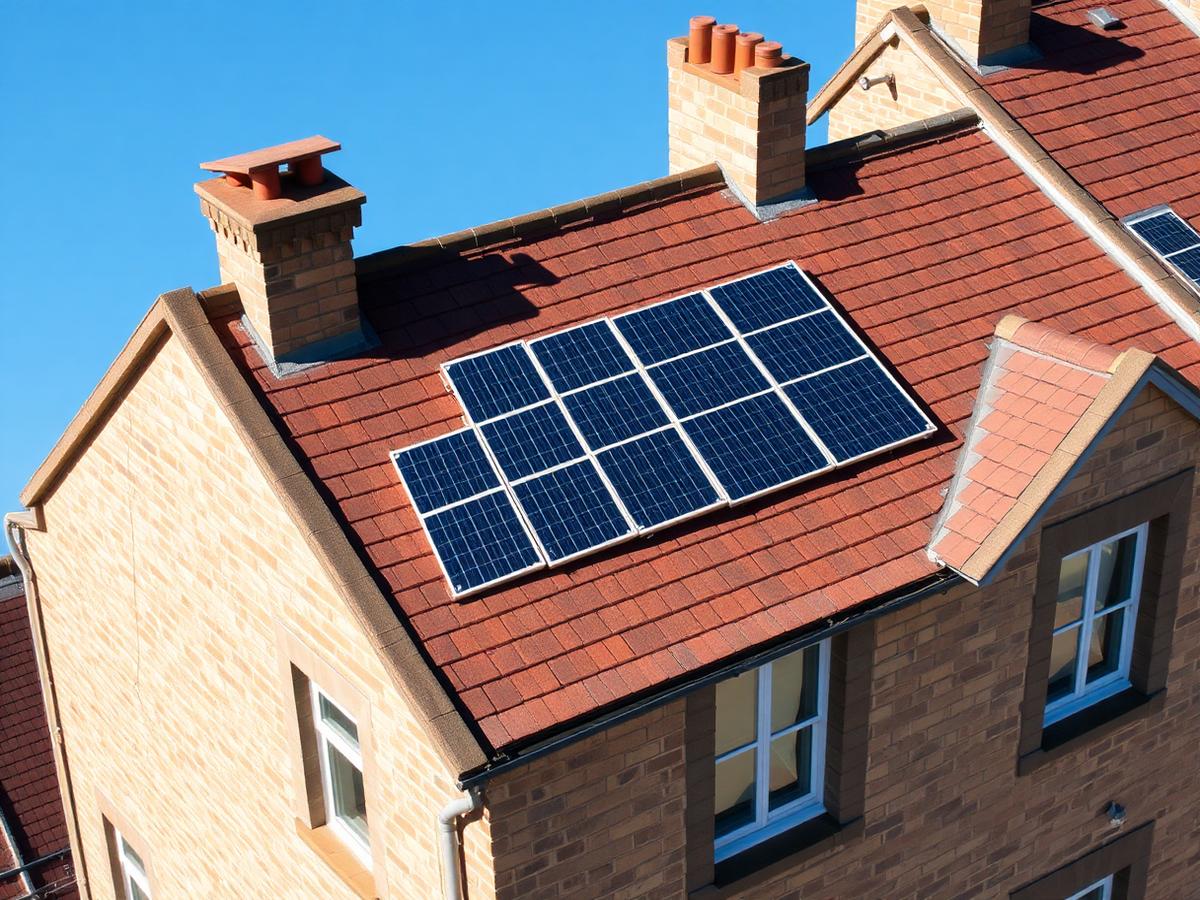
This is the single most common misunderstanding we deal with. Standard solar PV panels and home battery storage stopped being eligible for the Home Energy Scotland grant and loan on 6 June 2024. Only certain hybrid systems, such as solar PV-T, remain in scope.
That does not mean solar is a bad idea in Glasgow — plenty of roofs here pay back perfectly well on export and self-consumption alone, particularly with a battery and a time-of-use tariff. It does mean you should be very sceptical of any installer still quoting solar on the basis of grant funding. We price solar on straight payback for that reason.
Is a heat pump actually right for your house?
A heat pump delivers heat at a lower flow temperature than a gas boiler. That is what makes it efficient, and it is also what determines whether it will work well in your home. The property needs to hold heat reasonably well and have emitters — radiators or underfloor — large enough to deliver the required output at that lower temperature.
In our patch that maps fairly predictably onto the housing stock. Detached and semi-detached houses in Bearsden, Newton Mearns, Erskine and the newer parts of Renfrew are usually good candidates: reasonable insulation, space for the outdoor unit, and room to upsize a radiator or two. Solid-wall Victorian tenements in Govan, Partick or Dennistoun are much harder — not impossible, but they need insulation work first, and the outdoor unit has to go somewhere the building and the neighbours will accept.
What a proper assessment looks like
Anyone who quotes you a heat pump without doing a room-by-room heat loss calculation is guessing at the size, and an undersized heat pump is a cold house while an oversized one cycles and costs more to run. A genuine survey should produce a heat loss figure per room, a schedule of which radiators need changing, a proposed position for the outdoor unit with noise and clearance considered, and a realistic running-cost estimate at your actual tariff.
We would rather tell you your house is not ready than install something that disappoints you. Where insulation is the better first spend, we will say so.